
Modern buildings are built to feel open, connected, and unobstructed. Large atriums, glass partitions, and open-plan layouts have become standard across offices, retail spaces, and commercial developments. While this approach improves aesthetics and usability, it also creates a challenge: how do you maintain effective fire separation without adding permanent walls or barriers?
This is where a fire curtain becomes essential. A fire curtain is a flexible, heat-resistant barrier that remains hidden within the ceiling during normal conditions and deploys automatically during a fire. Once activated, it drops into place to contain fire and smoke, helping prevent spread and protecting escape routes.
A fire curtain offers protection without compromising design. It supports modern architectural freedom while still meeting critical safety requirements. As part of a broader passive fire protection strategy, it provides a reliable, fail-safe solution that stays out of sight until the moment it is needed most.
Why Are Fire Curtains Important in Contemporary Construction and Compliance?
A fire curtain is a specialized safety system that remains completely hidden during normal building operation and deploys only when a fire is detected. Typically stored within a ceiling void or a compact headbox, the curtain is made from heat-resistant, fire-rated fabric engineered to withstand extreme temperatures. When activated, it drops vertically to create a physical barrier that limits the spread of fire and smoke.
The core purpose of a fire curtain is compartmentation. In fire safety design, compartmentation refers to dividing a building into controlled sections to contain fire and smoke within specific areas. This containment slows the spread, protects escape routes, and provides valuable time for evacuation and emergency response.
Modern architecture often prioritizes open layouts, large expanses of glass, and uninterrupted sightlines. Conventional fire-rated walls or shutters can conflict with these design goals. A fire curtain solves this problem by remaining invisible until needed, allowing architects to maintain open spaces without compromising safety.
As part of broader passive fire protection systems, fire curtains do not actively extinguish flames. Instead, they work in coordination with alarms, sprinklers, and evacuation systems to control fire movement and protect building occupants. This combination of hidden design and reliable performance makes them a critical component in contemporary commercial buildings.
How Does a Fire Curtain Work in an Emergency?
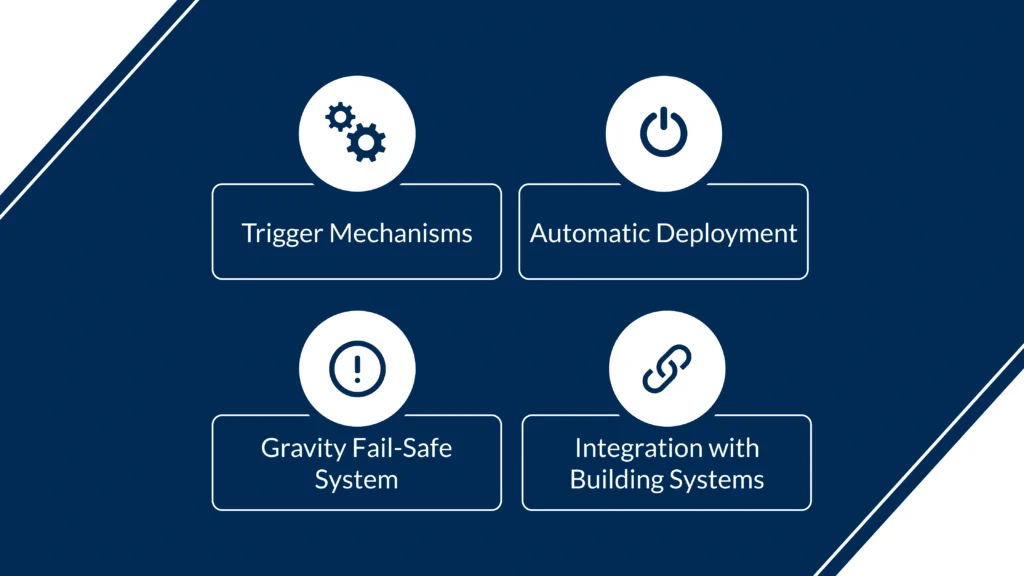
A fire curtain is built on one principle: it must work every time, without fail. In an emergency, there is no margin for delay or mechanical error. That is why these systems rely on automatic triggers, controlled deployment, and fail-safe mechanisms.
Trigger Mechanisms
Activation begins when the building’s fire detection system identifies a threat. This can come from smoke detectors, heat sensors, or a centralized fire alarm panel. Once triggered, the system sends a signal to release the curtain.
In many installations, automatic fire curtains are integrated directly with fire alarm systems to ensure an immediate response without manual intervention.
Automatic Deployment
Once activated, the curtain descends from its concealed housing. The deployment is controlled and consistent, ensuring the barrier forms correctly every time. Within seconds, the opening is sealed, creating a protective division between spaces.
This rapid response is critical in limiting how quickly fire and smoke can spread through open areas.
Gravity Fail-Safe System
One of the most important features of a fire curtain is its ability to operate during a power failure. These systems are designed with gravity fail-safe mechanisms, meaning the curtain will still deploy even if electrical power is lost.
The descent is controlled through a motor and backup system that regulates speed, preventing sudden drops while ensuring reliable closure. This fail-safe design is essential in real fire scenarios where power disruption is common.
Integration with Building Systems
Fire curtains do not operate in isolation. They are integrated into the building’s wider safety infrastructure, including fire alarm panels and emergency systems. This coordination ensures that alarms, evacuation signals, and containment measures all work together as a unified response.
Fire Curtain vs Fire Door vs Fire Shutter
Fire protection systems have updated significantly, especially as building design has shifted toward open, flexible layouts. Each solution serves a purpose, but they differ in how they impact space and design.
| Feature | Fire Curtain | Fire Door | Fire Shutter |
| Visibility | Hidden within the ceiling until deployed | Always visible | Visible and often bulky |
| Design Impact | Minimal, preserves open layouts | Requires wall space | Can disrupt aesthetics |
| Operation | Automatic deployment during a fire | Manual or automatic closing | Typically automatic or manual |
| Space Requirement | Very low when not in use | Requires a dedicated wall opening | Requires structural space |
| Material | Flexible, fire-rated fabric | Solid core door with a fire rating | Heavy-duty metal construction |
| Best Use Case | Open-plan spaces, atriums, and modern buildings | Corridors, enclosed rooms | Industrial and high-security areas |
| Aesthetic Flexibility | High | Moderate | Low |
| Integration | Works with fire alarm systems | Limited integration | Can integrate with alarms |
Fire curtains offer several advantages over traditional systems. They preserve open architectural design without introducing permanent barriers. They require minimal space when not in use and deploy only during emergencies. This makes them particularly valuable in modern commercial buildings where both safety and aesthetics are priorities.
Common Applications of Fire Curtains in Commercial Buildings
A fire curtain is most effective in environments where traditional barriers would disrupt the intended design. These systems are widely used across commercial and industrial settings.
Atriums and Open Lobbies
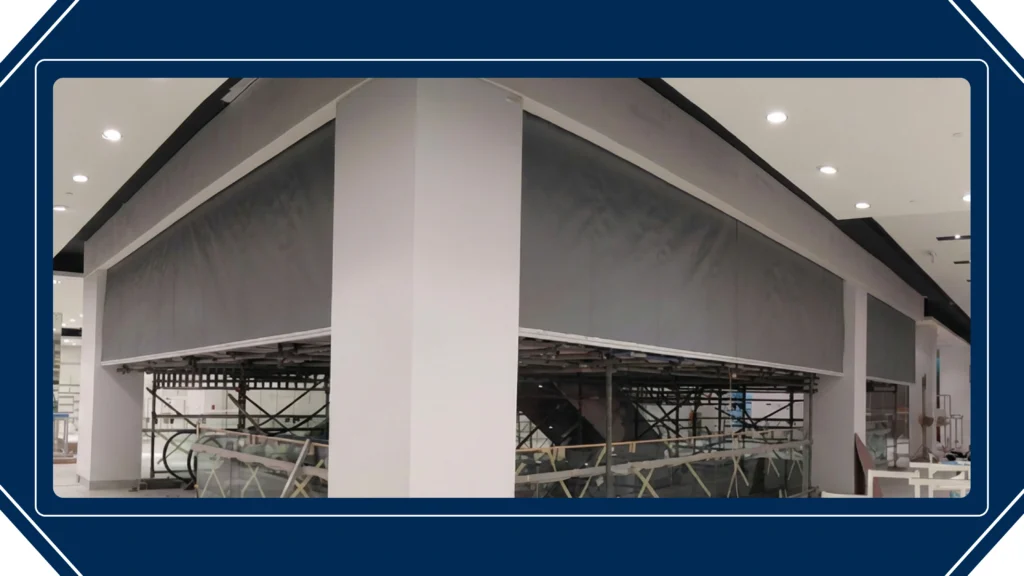
Large vertical spaces create a pathway for fire and smoke to spread quickly. Automatic fire curtains provide a way to compartmentalize these areas without adding permanent walls.
Elevator Lobbies and Shafts
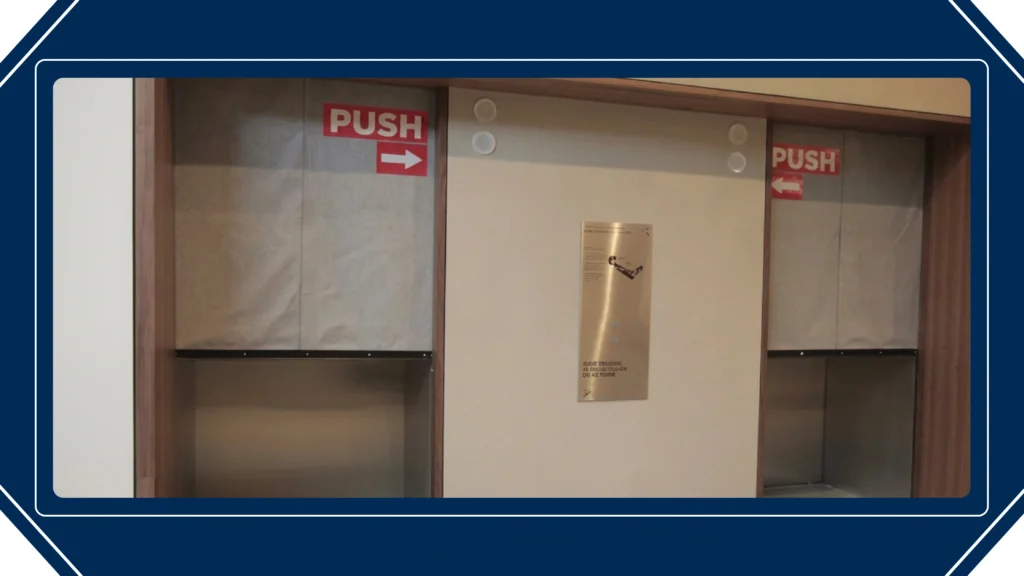
Elevator shafts can act as vertical channels for fire spread. Installing a fire curtain at lobby openings helps contain fire and protect upper levels.
Stairwells and Escape Routes
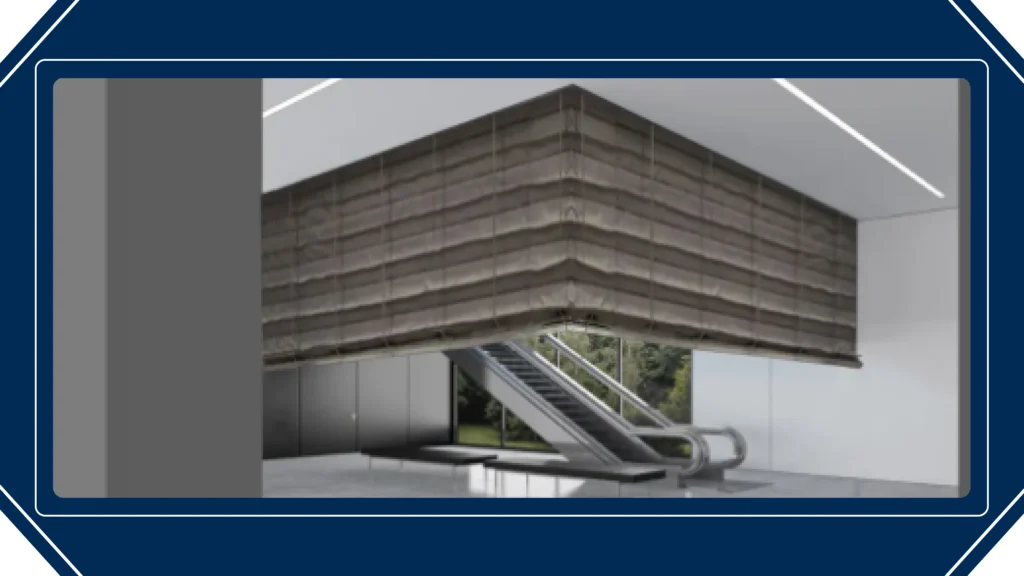
Maintaining safe evacuation paths is critical. Fire curtains can be deployed to protect stairwells and prevent smoke infiltration during an emergency.
Open-Plan Offices and Retail Spaces
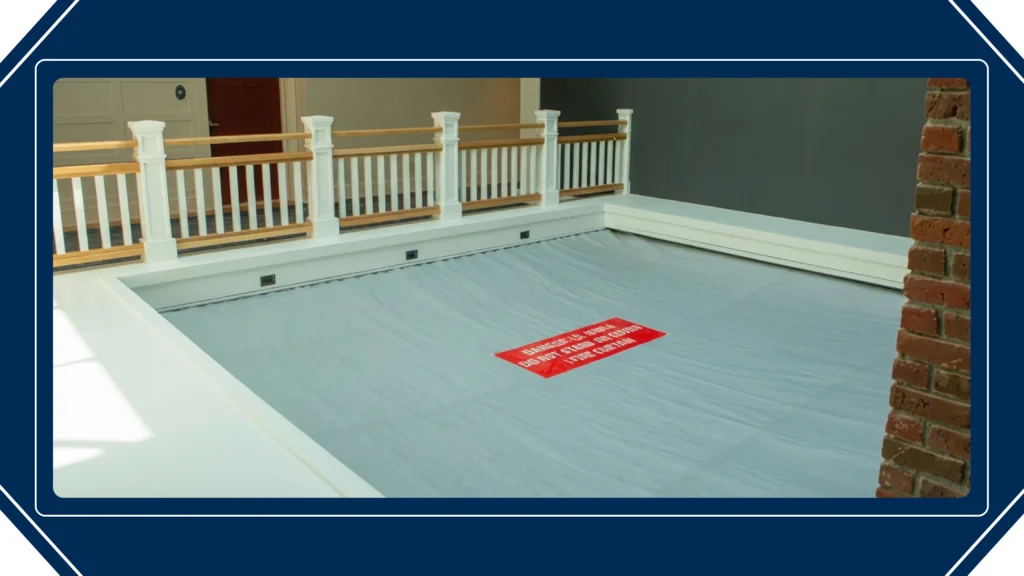
Modern layouts often remove physical barriers. Horizontal fire curtains allow these spaces to remain open while still meeting fire safety requirements.
Warehouses and Industrial Facilities
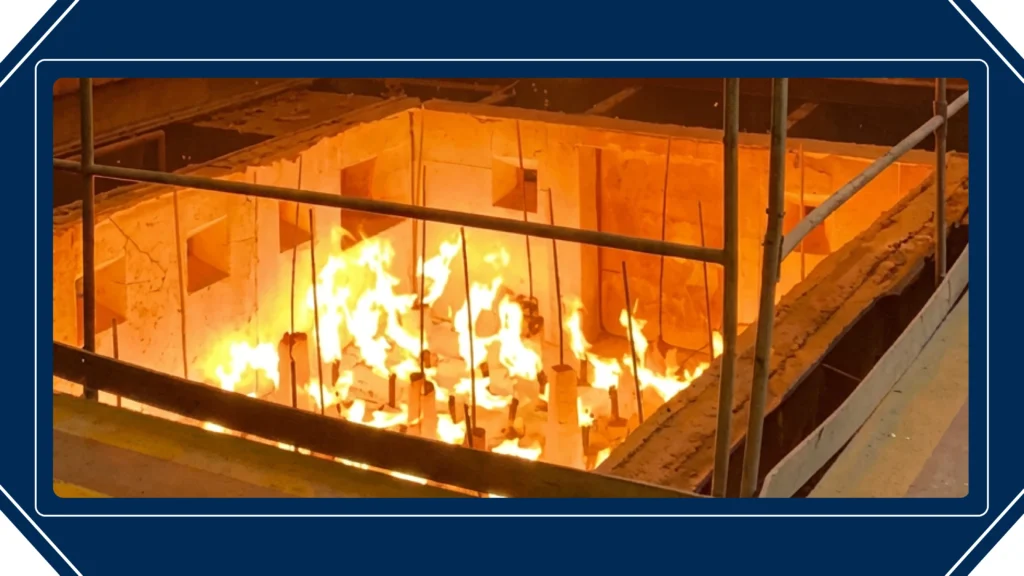
Warehouses and industrial facilities present unique challenges for fire compartmentation, from expansive floor plans to high bay ceilings and oversized openings. Hose Stream Rated smoke and fire curtains provide the coverage these environments demand without requiring structural alterations.
Fire Curtain Ratings and Performance Standards
Not all fire curtains offer the same level of protection. Their performance is defined by fire resistance ratings, which indicate how long they can withstand exposure to fire and heat.
Common Fire Ratings
Most fire-rated curtains are available in standard ratings such as 1-hour, 2-hour, and 3-hour protection. The required rating depends on building codes, occupancy type, and risk level.
A higher rating means the curtain can maintain its integrity and insulation properties for a longer period. This delays fire spread, protects adjacent spaces, and supports safe evacuation.
Compliance Standards
Fire curtains must meet recognized safety standards. These often include certifications aligned with organizations such as the National Fire Protection Association (NFPA) and Underwriters Laboratories (UL). Compliance ensures the system performs as expected under real fire conditions.
Fire Curtain vs Smoke Curtain: What’s the Difference
The distinction between a smoke curtain vs fire curtain is important when specifying the right system.
A fire curtain is designed to resist both fire and heat, providing a barrier that contains flames and limits thermal transfer. A smoke curtain, on the other hand, is intended only to control the movement of smoke and does not provide fire resistance.
Smoke curtains are often used in combination with fire curtains to manage smoke movement in large spaces. The choice between the two depends on the level of protection required and the specific building design.
Maintenance and Testing Requirements for Fire Curtains
A fire curtain is only effective if it operates correctly when needed. Since these systems remain inactive during normal conditions, regular maintenance is essential to ensure they perform reliably in an emergency.
Routine inspections are required to confirm that the system remains compliant and fully operational. Most facilities follow annual testing schedules to meet safety standards and certification requirements. These inspections help identify any issues early, before they affect performance.
Primary maintenance checks typically include:
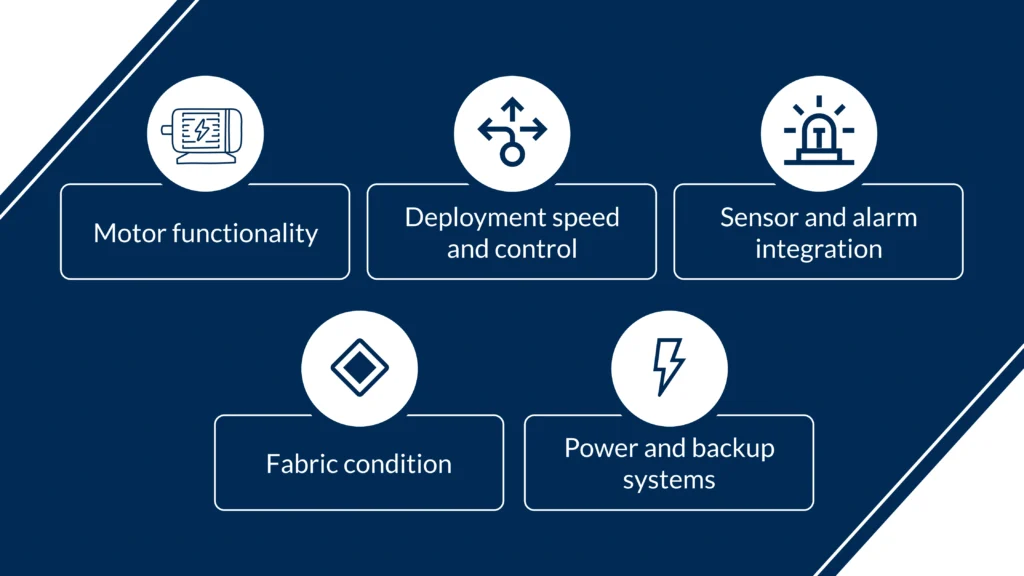
- Motor functionality: Ensure the drive system activates properly during deployment
- Deployment speed and control: Confirm the curtain descends at a consistent and controlled rate
- Sensor and alarm integration: Verify seamless communication with fire detection systems
- Fabric condition: Check for wear, damage, or degradation in fire-rated material
- Power and backup systems: Ensure fail-safe mechanisms operate correctly during power loss
Fire curtains are crucial for critical situations. Without regular testing, hidden issues may go unnoticed until an emergency occurs. Consistent maintenance ensures the system remains compliant, dependable, and ready to perform when it is needed most.
When it comes to ensuring your fire curtain system is properly maintained and always ready, Granite State Specialties brings the expertise to keep your building protected.
Protect Your Building with Advanced Fire Curtain Solutions from GSS
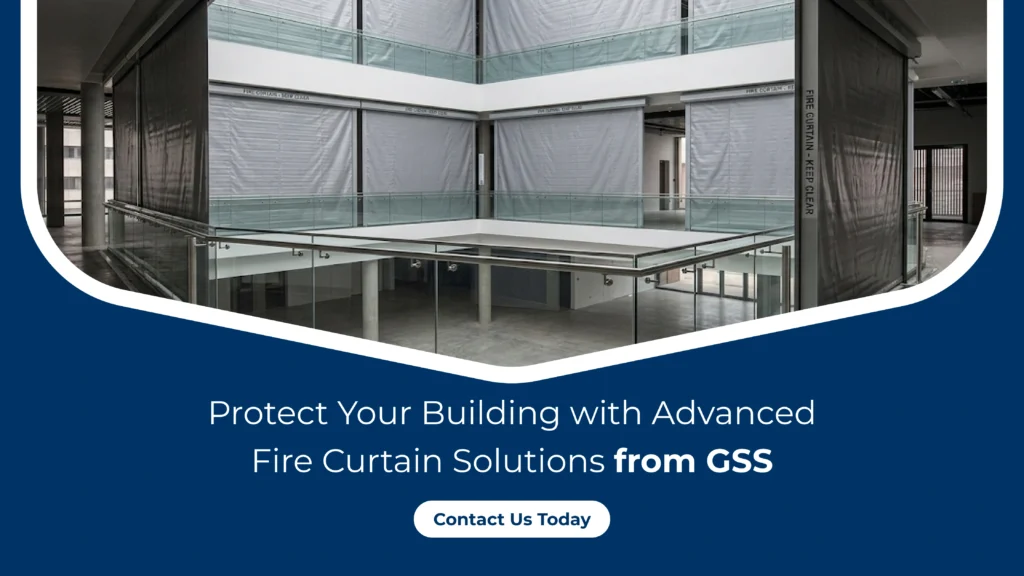
Fire safety is not an area where compromise is acceptable. The right system must deliver reliable performance, meet compliance standards, and integrate seamlessly into the building design.
Granite State Specialties (GSS) provides complete fire safety solutions tailored to each project’s specific needs. Working closely with architects, contractors, and facility managers, GSS handles everything from custom design and precise installation to full integration with fire alarm systems, structural conditions, and operational requirements. Every solution is built to meet the highest safety standards without compromising on design expectations.
Whether you are a commercial developer, architect, or facility manager, GSS has the expertise to implement a fire safety solution that performs when it matters most.
Ensure your system is built for reliability, compliance, and long-term performance.
Contact Granite State Specialties for a custom fire curtain consultation
Frequently Asked Questions
1. What is a fire curtain used for?
A fire curtain is used to contain fire and smoke within a specific area of a building. It helps prevent the spread of flames, protects escape routes, and supports safe evacuation during an emergency.
2. What is a fire curtain in construction?
In construction, a fire curtain is a concealed safety system installed within ceilings or openings. It deploys automatically during a fire to create a temporary barrier, allowing buildings to maintain open layouts while still meeting fire safety requirements.
3. What is a fire curtain made of?
Fire curtains are made from heat-resistant, fire-rated fabrics such as fiberglass or other composite materials. These fabrics are engineered to withstand high temperatures and maintain structural integrity during a fire.
4. What is a fire curtain system?
A fire curtain system includes the curtain itself, a headbox or housing, motorized controls, sensors, and integration with the building’s fire alarm system. All components work together to ensure automatic and reliable deployment during an emergency.
5. What is the difference between a fire curtain and a water curtain system?
A fire curtain is a passive barrier that physically blocks fire and smoke, while a water curtain system uses a spray of water to control heat and flames. Fire curtains are typically used for compartmentation, while water systems are part of active fire suppression strategies.