Every year, fires in commercial and residential buildings result in devastating losses to lives, property, and operations. According to the NFPA, the United States averages about 500,000 structure fires each year, resulting in thousands of civilian deaths and billions of dollars in property damage annually.
Fire risk is not limited to a single industry or building type. Commercial buildings, healthcare facilities, warehouses, educational campuses, hotels, and large mixed-use developments all face unique fire safety challenges. As modern architecture continues to favor open layouts, atriums, and interconnected spaces, the complexity of containing a fire event only increases.
Effective fire safety is never built on a single system or solution. It requires multiple layers of protection working together, some that respond when fire breaks out, and others that work silently in the background before any alarm sounds.
Fire protection generally falls into two categories: active systems and passive systems. Understanding the difference between them and how they work together is essential for anyone responsible for building safety, code compliance, or occupant protection.
What Is Passive Fire Protection and How Does It Work?
| Passive fire protection refers to the collection of fire-resistant building elements that contain fire, limit smoke movement, and maintain structural integrity during a fire event. Unlike alarms or sprinklers, these systems do not require manual activation or direct operational response to begin working. They are integrated into the building itself and remain ready at all times. |
How Compartmentalization Works
The core principle behind every passive fire protection system is compartmentalization, dividing a building into fire-resistant sections that contain fire and smoke within a controlled area. Instead of allowing fire and smoke to spread freely, passive systems create barriers that slow movement between spaces, buying critical time for evacuation and emergency response.
Without these barriers, fire can spread rapidly through corridors, ceilings, elevator shafts, and stairwells. Smoke is often even more dangerous; toxic smoke can travel throughout a building long before flames reach other areas.
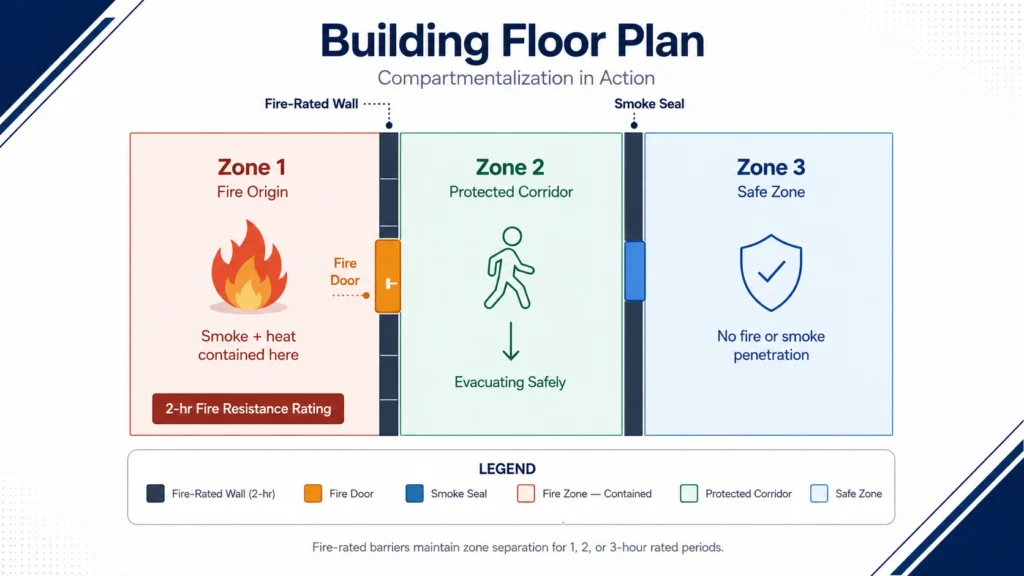
A Step-by-Step Look at How Compartmentalization Protects a Building
- Fire starts in one zone: Flames and heat are immediately restricted to the zone of origin by fire-rated walls and barriers.
- Barriers slow smoke migration: Smoke seals, fire doors, and smoke barriers prevent toxic smoke from moving into adjacent corridors or zones.
- Evacuation routes stay protected: Stairwells and exit corridors remain clear, giving occupants time to evacuate safely.
- Structure holds up to heat: Fire-rated floors, ceilings, and intumescent coatings slow heat transfer, reducing the risk of structural collapse.
- Firefighters gain response time: Contained fire spread gives emergency crews a safer, more controlled environment to respond.
Core Components of a Passive Fire Protection System
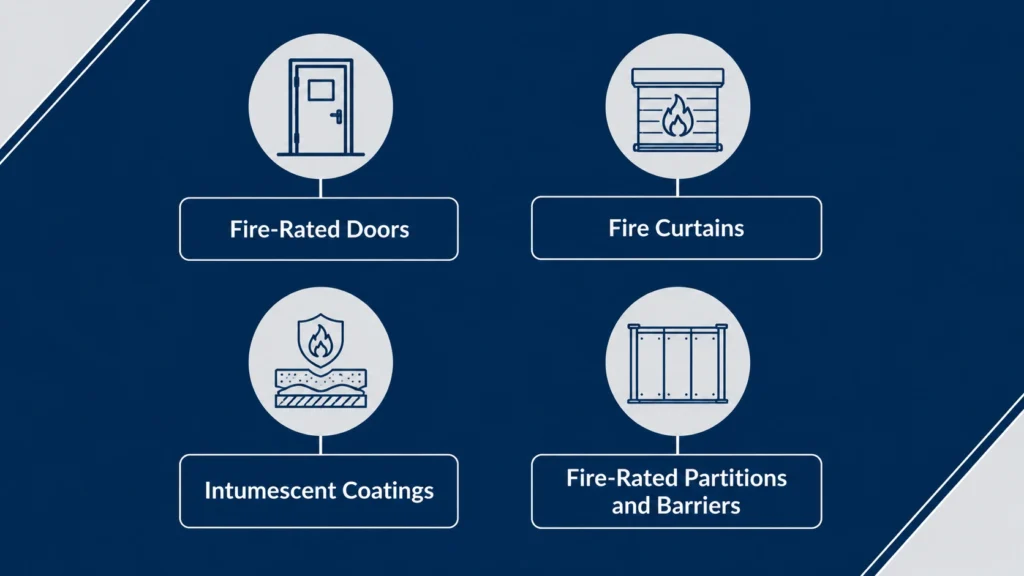
A passive fire protection system comprises several interconnected elements that work together to contain fire and smoke throughout the building.
Fire-Rated Doors
Fire-rated doors are designed to resist the spread of fire and smoke between compartments. Unlike standard doors, these assemblies include fire-rated frames, seals, hinges, and self-closing hardware.
When closed properly, they help maintain the integrity of fire-rated corridors, stairwells, and protected rooms. These doors are especially important in means-of-egress pathways where occupants rely on protected routes during evacuation.
Fire Curtains
Fire curtains are one of the most modern forms of passive fire protection available today. These flexible barriers remain hidden inside ceiling pockets or headboxes during normal operation and deploy automatically during a fire event.
The choice of fire curtains vs. fire shutters often comes down to the environment; curtains are especially valuable where conventional fire walls or shutters would interfere with open layouts and visual design goals.
Common applications include:
- Atriums
- Elevator openings
- Open lobbies
- Retail spaces
- Stair openings
- Large commercial interiors
Because fire curtains remain concealed until needed, they allow architects greater design flexibility while still maintaining code-compliant compartmentalization.
As part of broader GSS fire safety solutions, fire curtains help commercial buildings maintain both open aesthetics and reliable containment performance.
Intumescent Coatings
Intumescent coatings are specialized materials applied to structural steel and other surfaces. At high temperatures, these coatings expand into an insulating layer that helps slow heat transfer to the structure beneath.
This additional insulation helps preserve structural stability during a fire event and delays potential collapse.
Fire-Rated Partitions and Barriers
Partitions and barriers form the backbone of compartmentalization systems. These include:
- Fire-rated walls
- Smoke barriers
- Shaft enclosures
- Rated floor assemblies
- Ceiling systems
Together, these elements help separate building zones and maintain protected evacuation pathways. Because these systems directly affect occupant safety, most commercial projects must comply with strict fire safety code requirements.
Active vs Passive Fire Protection: What’s the Difference?
Understanding the difference between active and passive systems is one of the most important parts of modern fire safety planning. Both systems are necessary, but they function in very different ways.
What Is Active Fire Protection?
Active fire protection includes systems that require activation or direct response during a fire event. These systems are planned to detect, suppress, or alert occupants to danger. Common examples include fire sprinklers, smoke detectors, fire alarms, fire extinguishers, and emergency notification systems.
These systems actively respond to changing conditions. A smoke detector senses smoke. A sprinkler activates when the heat reaches a certain temperature. An alarm warns occupants to evacuate. Active systems are essential because they help suppress flames and quickly alert building occupants; however, they are only one part of a complete fire safety strategy.
Active vs Passive Fire Protection Comparison
| Passive Fire Protection | Active Fire Protection |
| Contains fire and smoke | Detects or suppresses fire |
| Built into the building structure | Requires activation or operation |
| Focuses on compartmentalization | Focuses on response and suppression |
| Includes walls, doors, curtains, coatings | Includes alarms, sprinklers, and extinguishers |
| Protects structural integrity | Helps extinguish or control fire |
| Works continuously in the background | Activates during fire conditions |
How Both Systems Help
Passive and active systems are not competing approaches. They complement each other to work together.
A sprinkler system may help suppress flames, but without compartmentalization, smoke and heat can still spread rapidly through a building. Likewise, fire-resistant walls alone cannot fully protect occupants without alarms and evacuation systems.
Passive fire protection slows the spread. Active protection responds to the event. Together, they create a layered fire safety strategy that improves survivability and reduces structural damage.
Why Building Codes Require Passive Fire Protection
Passive fire protection is not optional in most commercial buildings. Modern codes and life-safety standards require fire-resistant systems because they directly affect occupant survivability and structural protection.
Organizations such as the International Building Code (IBC) and the National Fire Protection Association (NFPA) establish requirements for compartmentalization, fire resistance ratings, protected egress routes, and smoke control.
These codes are intended to achieve several important safety goals:
- Maintain safe evacuation routes
- Slow fire and smoke spread
- Preserve structural stability
- Improve emergency response conditions
- Reduce occupant exposure to dangerous conditions
Specific requirements often vary depending on:
- Building occupancy type
- Structure height
- Floor area
- Use classification
- Presence of open vertical spaces
High-rise buildings, healthcare facilities, schools, industrial facilities, and mixed-use developments frequently require more extensive passive fire protection systems because evacuation challenges are greater.
Compliance is not limited to initial installation. Buildings must continue to maintain these systems properly throughout their operational life.
Passive Fire Protection Systems Still Require Inspection and Maintenance
One of the most common misconceptions about passive fire protection is that it never requires maintenance because it is considered “passive.” In reality, these systems can become compromised over time through building modifications, wear, or accidental damage.
Even a small breach in a fire-rated barrier can affect the integrity of the entire system.
Common inspection concerns include:
- Damaged fire-rated doors
- Broken or missing seals
- Unsealed wall penetrations
- Damaged fire-resistant coatings
- Obstructed fire curtains
- Improperly modified partitions
- Hardware that no longer self-closes correctly
Renovation work is a particularly common source of passive fire protection failures. Contractors may create openings for electrical systems, plumbing, HVAC lines, or communications cabling without restoring the required fire resistance rating afterward.
Regular inspection helps identify these issues before they compromise occupant safety.
A passive fire protection system performs effectively only when all components maintain their intended fire-resistance and compartmentalization functions. Ongoing maintenance is therefore a critical part of long-term code compliance and risk reduction.
How GSS Supports Passive Fire Protection Compliance
Modern passive fire protection strategies increasingly rely on advanced smoke and fire curtain systems that provide containment without permanently altering open architectural layouts. Granite State Specialists (GSS) supports commercial projects with specialized fire curtain solutions that improve compartmentalization, maintain code compliance, and preserve design flexibility in complex building environments.
These systems are used to help control smoke migration, contain fire spread, and protect critical evacuation pathways in spaces where traditional fire barriers may not be practical.
GSS fire safety solutions include several specialized curtain systems for different applications:
DSI-600 Elevator Smoke Curtain
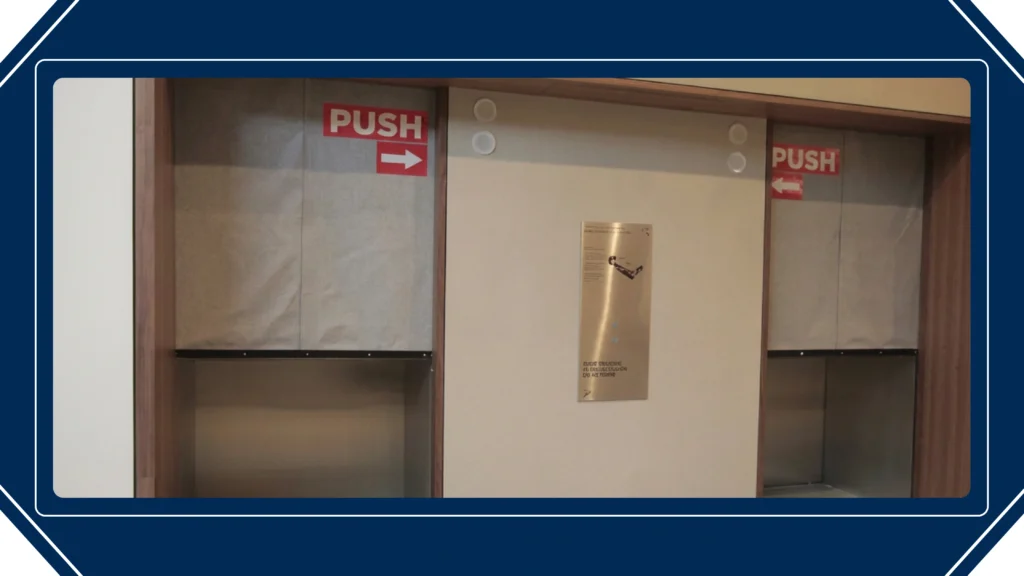
Creates a code-compliant smoke and draft control assembly when paired with fire-rated elevator doors. This system helps reduce smoke migration through elevator shafts, which are among the most vulnerable vertical pathways during a fire event.
DSI-C1HR and DSI-C3HR Fire Smoke Curtains
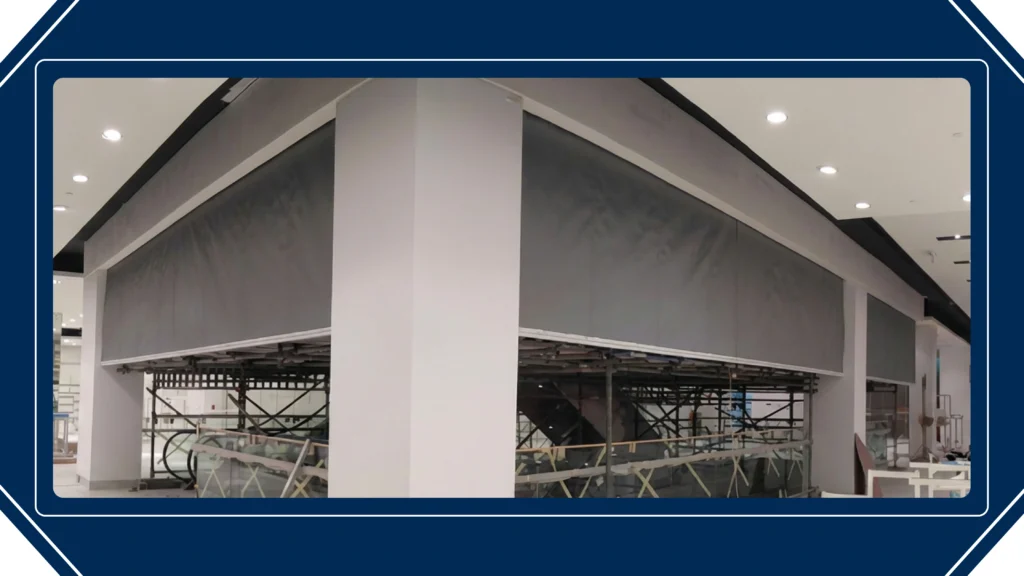
Gravity fail-safe systems are engineered for wall openings and atriums. These curtains automatically reset and incorporate advanced electronic controls while maintaining reliable containment performance during emergencies.
DSI-A4HR Accordion Fire Curtain
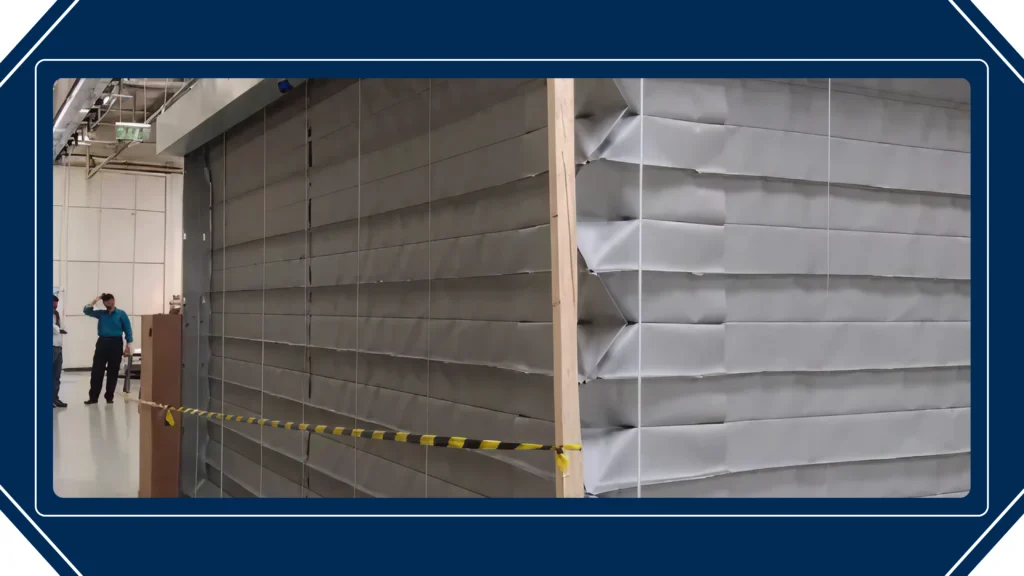
Creates a four-hour opening protective fire barrier for large openings without requiring columns or corner posts. Common applications include atriums, stairwells, escalators, and custom access areas where uninterrupted layouts are important.
DSI-H3HR Horizontal Fire Curtain
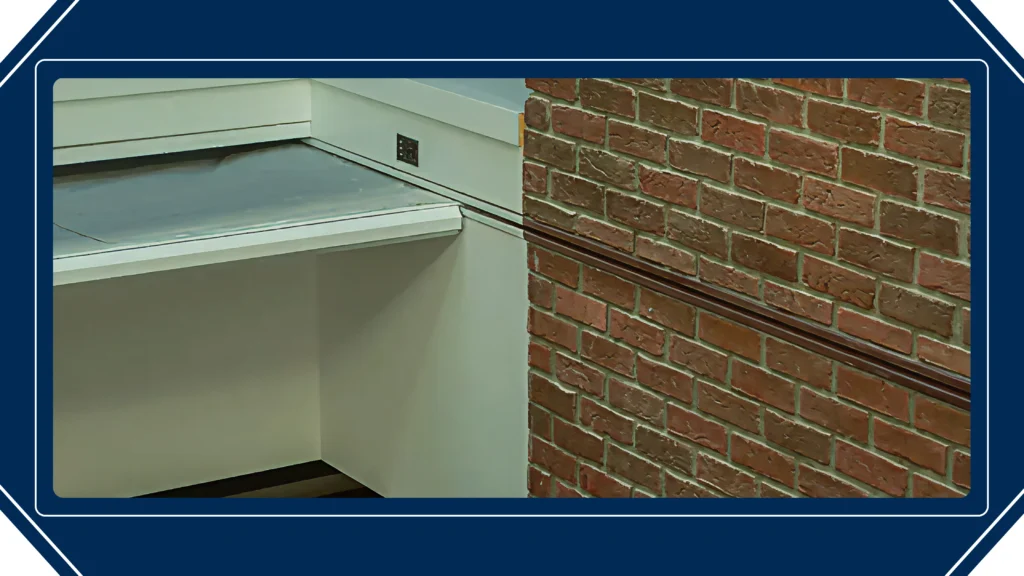
Developed for floor openings and ceiling void applications where compartmentalization is required across large horizontal spaces. These systems help reduce smoke spread through atriums, skylights, and interconnected floor openings.
DSI-HS10B Hose Stream Rated Smoke and Fire Curtain
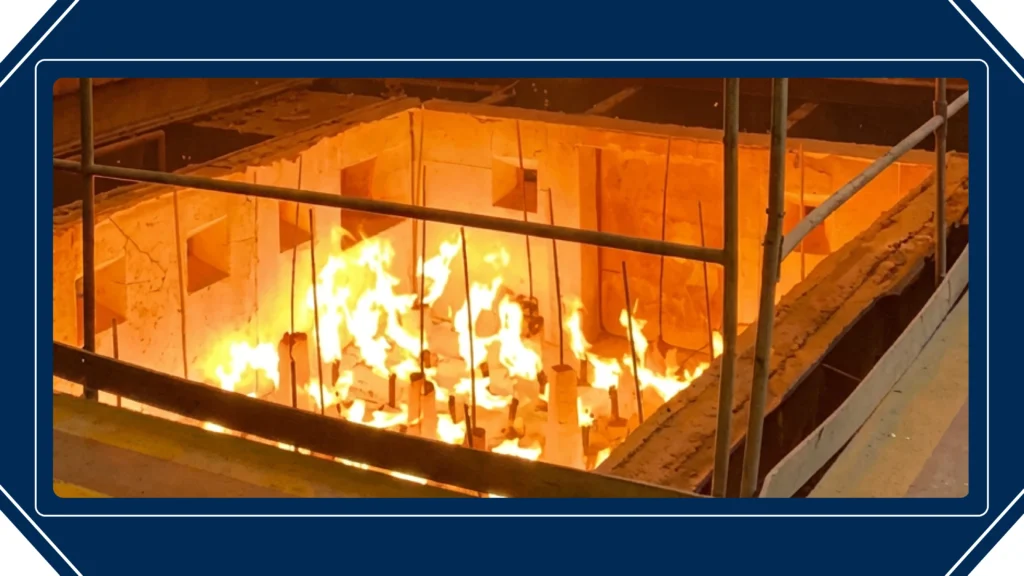
A UL 10B hose stream rated curtain system for wall openings requiring code-compliant fire protection in barriers rated up to three hours.
These systems demonstrate how modern passive fire protection can support both life-safety performance and architectural flexibility. Instead of relying solely on permanent walls or shutters, deployable fire curtains allow buildings to maintain open environments while still meeting the compartmentalization and fire-resistance objectives required under modern building codes.
Protect Your Building with GSS’s Complete Passive Fire Protection Strategy
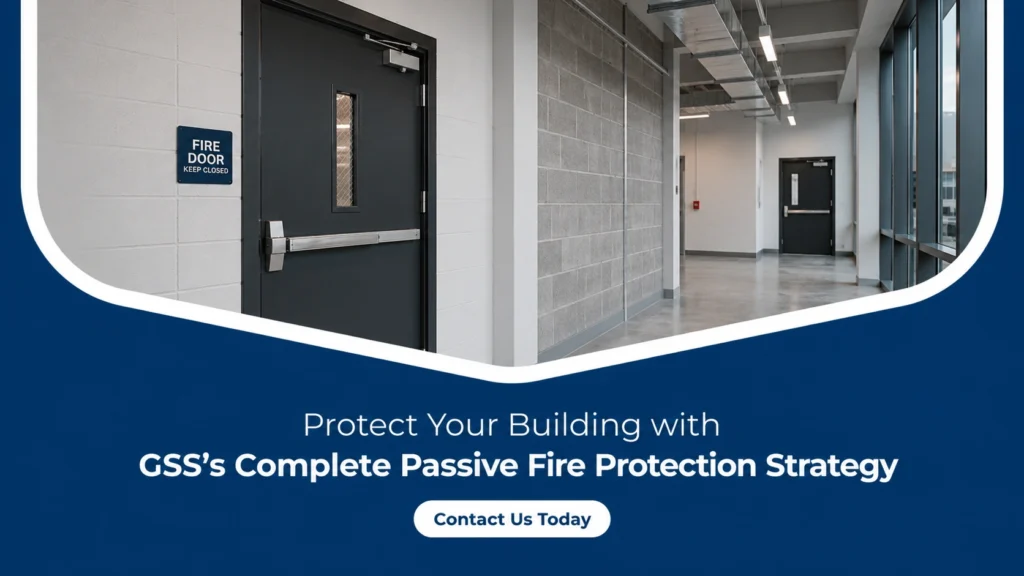
Passive fire protection works continuously in the background to help contain fire, limit smoke migration, and preserve structural stability during emergencies. While alarms and sprinklers remain essential parts of fire safety, they represent only one layer of a complete life-safety strategy.
A properly planned passive fire protection system helps commercial buildings:
- Contain fire and smoke within controlled areas
- Protect evacuation routes and stairwells
- Reduce structural fire damage
- Support IBC and NFPA code compliance
- Improve occupant safety during emergencies
- Maintain architectural flexibility in open layouts
Long-term performance depends on proper planning, coordinated installation, and ongoing inspection. Buildings that integrate passive fire protection early in the design process are often better positioned to reduce compliance risks and maintain reliable containment performance over time.
GSS supports commercial projects with advanced smoke and fire curtain systems for modern building environments, including elevator openings, atriums, stairwells, floor openings, and large open-plan spaces.
Contact GSS today for an assessment of your passive fire protection systems.
Frequently Asked Questions
How long can passive fire protection systems withstand a fire?
Passive fire protection systems are rated by the duration they can resist fire, typically ranging from 30 minutes to 4 hours. The required rating depends on building type, occupancy, and local code requirements. Higher-risk buildings, such as hospitals or high-rises, generally require longer-rated assemblies.
What is the cost of installing a passive fire protection system in a commercial building?
Costs vary significantly based on building size, occupancy type, materials used, and local code requirements. Fire-rated walls, doors, coatings, and curtains all carry different price points. Early integration during the design phase is generally more cost-effective than retrofitting an existing structure.
Who is responsible for ensuring passive fire protection compliance in a building?
Responsibility typically falls on building owners, facilities managers, and contractors. During construction, architects and contractors must meet code requirements. After occupancy, building owners are responsible for ongoing maintenance, inspections, and ensuring renovation work does not compromise fire-rated assemblies.
Can passive fire protection systems be retrofitted into older buildings?
Yes, but retrofitting is more complex and costly than designing systems into new construction. Older buildings often require upgrades to meet current IBC or NFPA standards, particularly during major renovations or change-of-use conversions.
How does smoke behave differently from fire, and why does passive fire protection address both separately?
Smoke travels faster and farther than flames and is responsible for the majority of fire-related deaths. Passive systems address both threats separately: fire barriers control flame spread, while smoke barriers and seals specifically limit the migration of toxic smoke through gaps, shafts, and corridors.