When you walk into a modern office, school, or commercial lobby, one of the first things you notice is the natural light. Large windows can make a space feel open and inviting, but they can also cause harsh glare, increase indoor temperatures, and create uncomfortable working conditions if daylight is not properly managed. The right window shade system helps create balance between visibility, comfort, and performance.
According to the U.S. Department of Energy, approximately 76% of the sunlight that falls on standard double-pane windows enters a building as heat, increasing cooling demands and indoor discomfort.
Choosing between different window shade types, therefore, involves more than selecting a fabric or color. Solar control, privacy, automation, openness factor, and long-term durability all influence how well the system performs within a commercial environment.
Commercial Window Shades Types
No single shade system works for every commercial environment. A conference room with presentation screens has very different lighting needs than an open office, healthcare facility, or educational campus. The best commercial window treatments are selected based on how the space functions throughout the day, how much sunlight enters the building, and how much flexibility occupants need.
| The most common window shade types used in commercial projects include:Solar shadesRoller shadesMotorized roller shadesDual shade systems |
Each system controls light differently and offers its own balance of glare reduction, visibility, privacy, and automation capability. Factors such as building orientation, window size, ceiling height, and occupant comfort all influence which option performs best.
Understanding how these systems work makes it easier to choose a solution that supports both building performance and long-term usability.
Solar Shades for Glare Control and Energy Efficiency
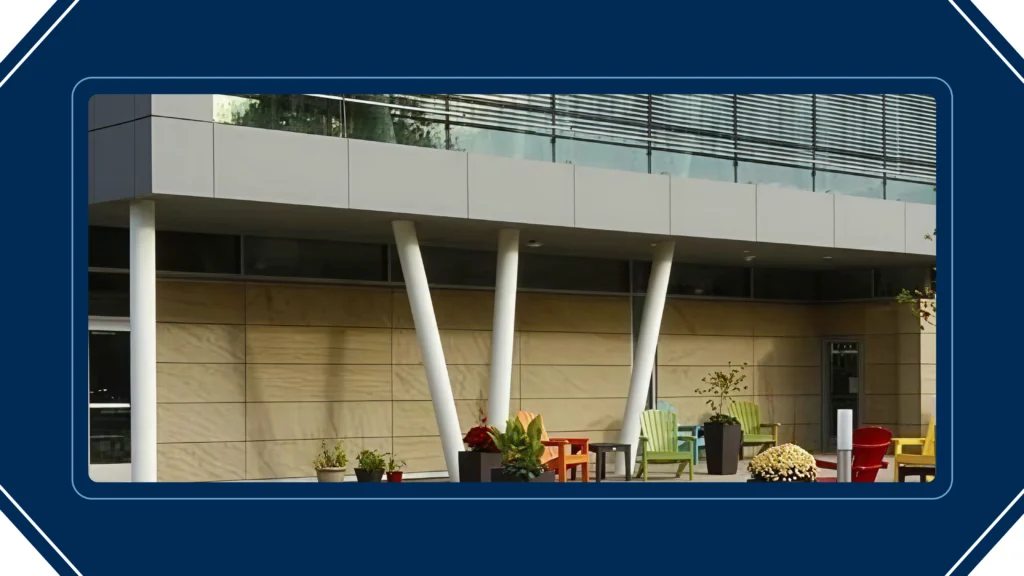
Solar shades are among the most widely used commercial window treatments because they reduce glare and solar heat gain while still preserving outdoor visibility. Instead of completely blocking daylight, these shades filter incoming sunlight to create a more controlled indoor environment.
This balance is especially important in commercial spaces with large glass facades. Employees working at computers, students using digital displays, or occupants sitting near west-facing windows often experience discomfort from direct sunlight and screen glare. Solar shades help reduce these problems without darkening the entire room.
Major benefits of solar shades include:
- Reduction of solar heat gain
- Improved occupant comfort
- Lower screen glare
- UV protection for interiors and furnishings
- Preservation of exterior views
- Better daylight management throughout the day
These systems are commonly specified in:
- Open office spaces
- Schools and universities
- Healthcare facilities
- Reception areas
- Shared workspaces
Solar shades are available in different fabric densities and openness factors, which determine how much light and visibility pass through the material. Lower openness percentages provide stronger glare control, while higher openness percentages preserve more visibility to the outside.
Because commercial buildings often experience constant daily use, solar shades also rely on heavy-duty operating systems for durability. Commercial-grade clutch mechanisms, stronger hardware, and fire-rated fabrics help these systems withstand high-frequency operation while meeting code requirements.
While solar shades work well for daylight management, some environments require complete privacy or room darkening. This is where roller shade systems become especially useful.
Roller Shades: Blackout vs Translucent Systems
Roller shades remain one of the most versatile and commonly specified window shade types in commercial projects. Their clean appearance, flexible light-control options, and wide range of materials make them suitable for many environments.
The two primary categories are blackout roller shades and translucent roller shades.
Blackout Roller Shades
Blackout roller shades are created to block as much incoming light as possible. These systems are commonly used in spaces where glare control and privacy are critical.
Unlike solar shades, blackout fabrics prevent visible daylight from entering the room, making them ideal for environments where visual presentations or controlled lighting conditions are necessary.
Common applications include:
- Conference rooms
- Presentation spaces
- Media rooms
- Training facilities
- Auditoriums
- Healthcare recovery rooms
Blackout shades also help improve privacy in spaces where exterior visibility must be eliminated entirely.
Commercial blackout systems often include side channels or specialized installation methods to minimize light gaps around the edges of the fabric. In high-performance environments, this additional detailing improves overall light blocking capability.
Translucent Roller Shades
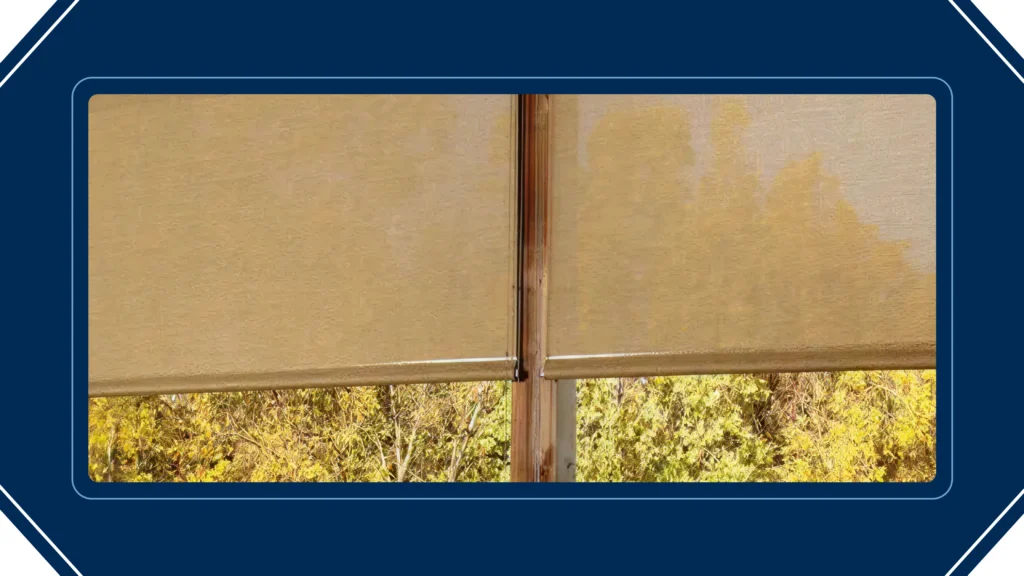
Translucent roller shades provide a softer lighting solution. Instead of completely blocking daylight, these fabrics diffuse incoming light to reduce harsh brightness while maintaining a brighter indoor atmosphere.
These systems are commonly used in:
- Open offices
- Educational facilities
- Collaborative spaces
- Shared work environments
- Hospitality interiors
Translucent fabrics help reduce glare without making the room feel enclosed or dark. This balance supports daylight utilization while improving occupant comfort.
Commercial roller shade systems differ significantly from residential products. High-use commercial environments require:
- Heavy-duty bead chains
- Commercial clutch mechanisms
- Durable mounting hardware
- Fire-rated fabrics compliant with NFPA 701 standards
As buildings become more technologically integrated, many projects are now moving beyond manual operation toward automated systems.
Motorized Roller Shades and Automated Systems
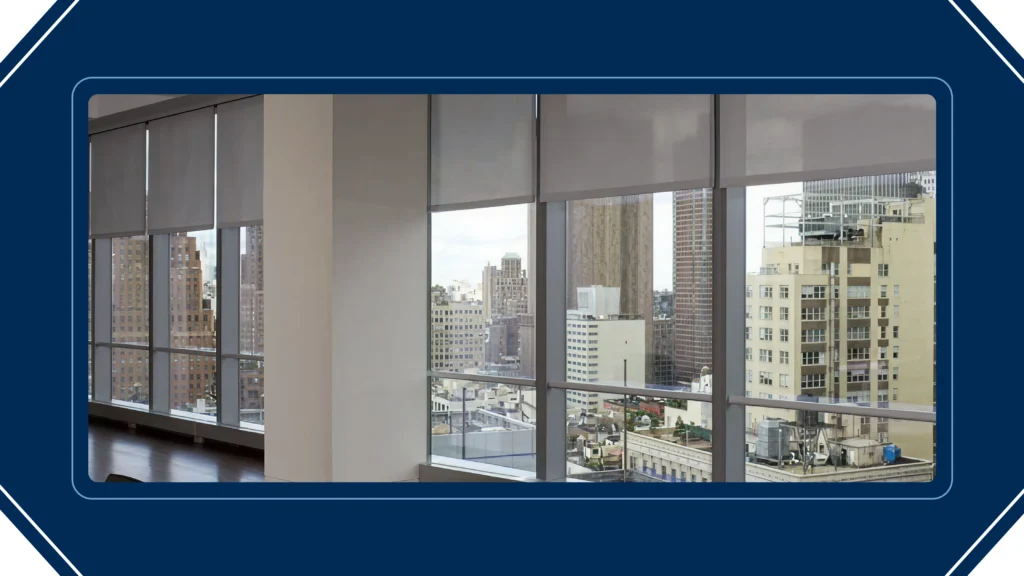
Automation has become increasingly common in modern commercial architecture, especially in buildings with large expanses of glass or difficult-to-access windows. Motorized roller shades allow occupants and facility teams to manage daylight more efficiently while improving consistency across the building.
Unlike manual shades, motorized systems can be controlled through:
- Wall switches
- Remote controls
- Mobile applications
- Building automation systems
- Daylight sensors
- Scheduled programming
This level of automation becomes especially valuable in spaces where sunlight conditions change throughout the day.
Common applications for motorized roller shades include:
- High-rise office buildings
- Atriums
- Conference centers
- Educational campuses
- Healthcare facilities
- Hospitality projects
Motorized systems improve more than convenience. Automated shade positioning can help reduce HVAC strain by limiting heat gain during peak daylight hours. Automated adjustments also improve occupant comfort by reducing sudden glare conditions.
In large commercial environments, centralized shade management allows facility teams to control multiple zones simultaneously. This creates a more consistent indoor environment while reducing the demand for manual operation.
Motorized systems are also ideal for tall or inaccessible windows where manual operation would be impractical.
As commercial interiors become more flexible, many projects now combine multiple shade systems within the same window assembly. Dual shades exemplify this changing approach.
Dual Shades: Combining Daylight and Privacy Control
Some commercial environments require different lighting conditions throughout the day. A conference room may need glare reduction during normal working hours, but complete blackout capability during presentations. Executive offices may require daytime visibility alongside nighttime privacy.
Dual shades address this challenge by combining two independent shade fabrics within a single system.
Most dual systems combine:
- A solar shade for daytime glare reduction
- A blackout shade for privacy or room darkening
This configuration allows occupants to adjust the environment based on changing functional needs.
Dual shades are commonly used in:
- Executive offices
- Conference rooms
- Hospitality environments
- Healthcare spaces
- Multi-purpose commercial interiors
One of the biggest advantages of dual systems is flexibility. Instead of compromising between daylight control and privacy, occupants can switch between different levels of light management depending on how the room is being used.
These systems also support more refined daylight strategies in buildings where natural light conditions vary significantly throughout the day.
Choosing the right shade fabric, however, depends heavily on understanding the openness factor, which is one of the most important concepts in commercial shade specification.
Understanding the Openness Factor in Commercial Window Shades
The openness factor refers to the amount of visible openness within a shade fabric. This percentage directly affects how much light, heat, and visibility pass through the material. It determines how the shade will perform in real-world conditions.
| Factor | Lower Openness Percentages | Higher Openness Percentages |
| Glare Control | Stronger glare reduction | Reduced glare control |
| Privacy | Greater privacy | Less privacy |
| Outdoor Visibility | Less outward visibility | Better outdoor views |
| Daylight Penetration | Lower daylight penetration | Increased daylight penetration |
| Interior Brightness | Softer, darker interiors | Brighter interiors |
| Visual Obstruction | More visual filtering | Reduced visual obstruction |
| Solar Control | Better solar heat control | Lower solar heat control |
1% Openness
A 1% openness fabric provides maximum glare reduction and privacy. Only a small amount of light passes through the material, making it highly effective for high-glare environments.
Best applications include:
- West-facing windows
- Presentation rooms
- High-sun-exposure facades
- Areas requiring stronger privacy
3% Openness
A 3% openness factor is among the most common commercial specifications because it effectively balances visibility and glare control.
This option provides:
- Good glare reduction
- Moderate outward visibility
- Balanced daylight control
Many office environments use 3% fabrics because they support comfortable screen viewing while still maintaining a connection to the outdoors.
5% Openness
A 5% openness factor allows more daylight penetration while preserving moderate glare control.
Benefits include:
- Improved outdoor visibility
- Brighter indoor conditions
- Softer visual filtering
This option is commonly used in collaborative workspaces or environments prioritizing daylight access.
10% Openness
A 10% openness fabric allows the highest level of visibility and daylight penetration among standard commercial fabrics.
These systems are best suited for:
- Low-glare orientations
- Decorative daylight filtering
- Areas prioritizing views over privacy
Selecting the correct openness factor depends heavily on solar orientation and room function, which is why specification decisions should always consider the building environment as a whole.
How to Choose the Right Commercial Window Shades
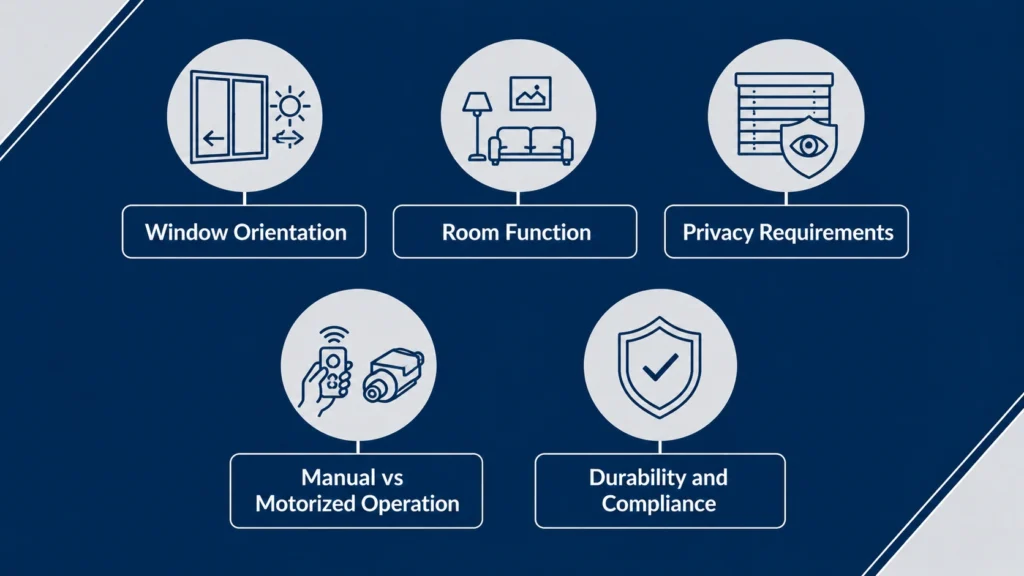
Choosing among different window shades types requires balancing appearance, performance, durability, and operational needs. The most effective solution depends on how the space functions throughout the day and how occupants interact with natural light.
Several important factors influence specification decisions.
Window Orientation
Window direction has a major impact on glare and solar heat gain.
East- and west-facing windows often experience stronger direct sunlight in the morning or afternoon. These elevations may require lower openness factors or stronger glare-control fabrics.
North-facing windows usually receive softer daylight conditions and may allow for higher openness fabrics.
Room Function
The room’s primary use strongly affects shade selection.
Different environments require different levels of light control:
- Workstations benefit from glare reduction
- Conference rooms may require blackout capability
- Healthcare spaces often prioritize occupant comfort
- Educational facilities need balanced daylight control
Privacy Requirements
Some commercial spaces require greater visual privacy than others.
Executive offices, healthcare environments, and street-facing rooms may require lower-openness fabrics or blackout systems to reduce visibility.
Manual vs Motorized Operation
Budget and operational goals often influence whether manual or automated systems make more sense.
Motorized roller shades may involve higher upfront costs, but they can improve long-term usability and building integration in larger commercial environments.
Durability and Compliance
Commercial shade systems must withstand frequent daily operation.
Important considerations include:
- NFPA 701 fire-retardant fabrics
- Heavy-duty hardware
- Commercial-grade motors
- Long-term operational reliability
Proper specification helps ensure the system performs consistently throughout the life of the building.
Importance of Professional Commercial Installation
Even high-quality commercial window treatments can underperform if installation is not properly coordinated. Accurate measurements, proper alignment, and correct hardware integration all affect long-term functionality.
Improper installation can create problems such as:
- Uneven shade alignment
- Light gaps
- Motor synchronization issues
- Premature operational wear
- Inconsistent fabric tension
Motorized systems require additional coordination involving electrical systems, automation controls, and wiring pathways.
Commercial installations also require attention to fire-rated materials and code-compliant hardware selection, especially in high-occupancy buildings.
How GSS Supports Commercial Window Treatment Projects
Granite State Specialties (GSS) supports commercial projects with professional specification guidance, coordinated installation, and commercial-grade window treatment systems for long-term performance.
This includes support for:
- Solar shade systems
- Roller shades
- Motorized roller shades
- Dual shade configurations
- Large commercial window installations
GSS products are selected with attention to durability, operational consistency, and code compliance requirements for commercial environments.
Commercial environments place higher demands on window treatment systems than residential applications. GSS helps architects, designers, facility managers, and contractors coordinate systems that perform reliably under continuous daily use.
Upgrade Your Building’s Light Management with the Right Shade System from GSS
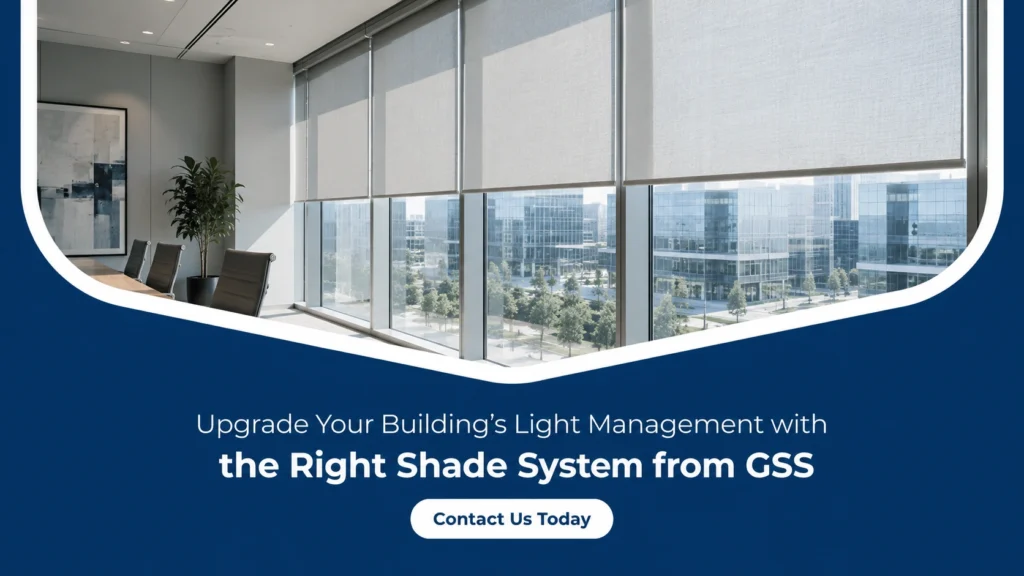
The right commercial shade system improves far more than appearance alone. Proper daylight management can reduce glare, improve occupant comfort, support energy efficiency, and create more functional indoor environments throughout the building.
GSS supports commercial projects with:
- Professional measurements
- Product specification guidance
- Openness factor selection
- Motorized integration support
- Commercial installation coordination
Selecting among different window shade types requires balancing solar control, visibility, privacy, durability, and automation needs. A properly coordinated system helps ensure long-term performance while supporting the space’s operational goals.
Ready to upgrade your building’s natural light management? Contact GSS for professional measurement, product selection, and installation.