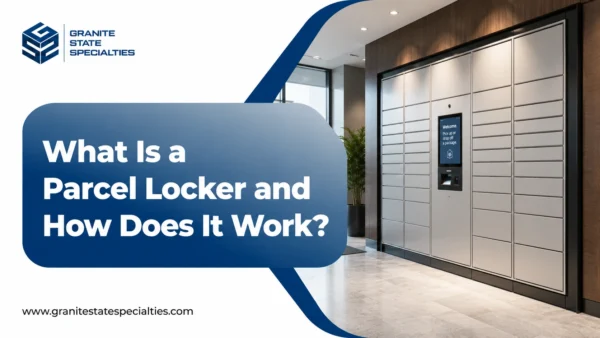
Walk through the lobby of almost any apartment building, office complex, or university residence hall, and you’ll likely see the same thing: stacks of boxes lining the walls, crowding the front desk, or overflowing from already-tight mailrooms.
What used to be occasional package deliveries has evolved into a constant daily flow, and properties everywhere are feeling the pressure.
The U.S. parcel market handled nearly 24 billion packages in 2025 alone, with carriers delivering an average of 91 million parcels every weekday. The average adult now receives close to two packages per week, and industry analysts expect total parcel volume to reach 26.8 billion shipments by 2028.
For property managers, that surge creates a growing list of operational challenges: overwhelmed staff, cluttered common areas, missed deliveries, lost packages, and frustrated residents tired of chasing down their orders. Conventional package-handling processes were simply not built to manage this level of demand.
That’s why parcel lockers have become such a valuable solution. These secure, self-service systems give carriers a dedicated delivery point, automatically notify recipients when packages arrive, and remove the need for manual package handling altogether.
In this blog, we’ll break down what a parcel locker is, how it works, and what to consider when choosing the right system for your property.
What Is a Parcel Locker?
A parcel locker is a secure, automated storage unit designed to solve the “last-mile” delivery problem, the critical final step between a carrier’s truck and the recipient’s hands. Instead of packages piling up in lobbies or requiring staff to sign, sort, and store deliveries, a parcel locker system handles the entire transaction independently.
Carriers drop off. The system logs and notifies. Recipients retrieve on their own schedule. No staff involvement required at any stage. Today’s smart locker systems, like those available through GSS’s Postal Specialties line, go well beyond a physical cabinet; they’re cloud-connected platforms that create a full digital record of every delivery from drop-off to pickup.
How Does It Work?
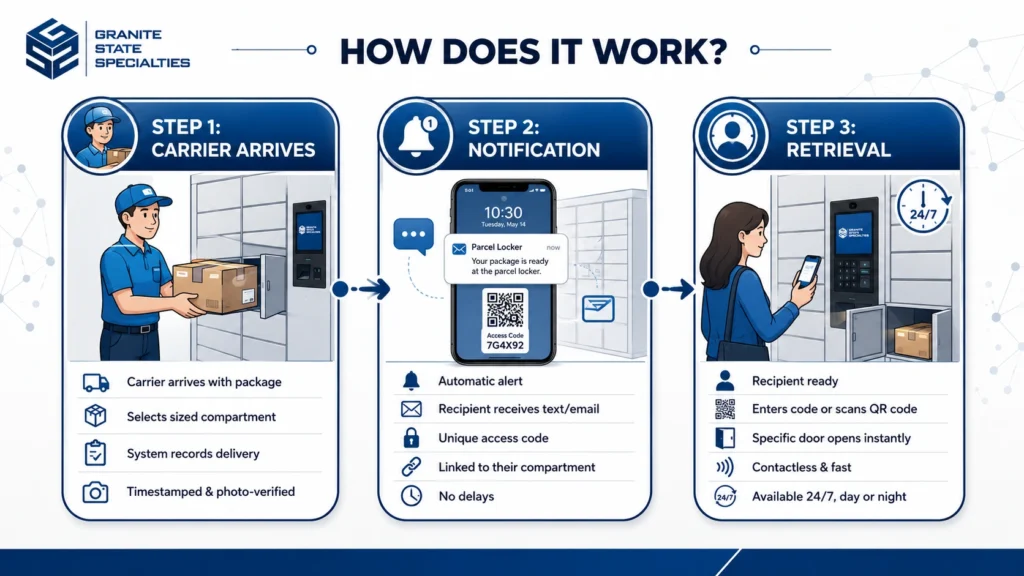
The day-to-day workflow is straightforward, and that simplicity is a big part of the appeal.
Step 1-Delivery: The carrier (UPS, FedEx, Amazon, or any other service) arrives at the property, scans the package, and selects an appropriately sized compartment. The door closes, and the system immediately records the delivery, timestamped and, on most systems, photo-verified.
Step 2-Notification: Within moments, the recipient receives an automatic alert by text or email containing a unique access code or QR code linked directly to their compartment. No front-desk handoff.
Step 3-Retrieval: When the recipient is ready, whether that’s an hour later or the next morning, they enter their code at the touchscreen terminal, and their specific door opens instantly. Contactless, fast, and available anytime, day or night.
Behind the scenes, cloud-based management software ties everything together. Property managers can log in from anywhere to see delivery logs, monitor locker capacity, run usage reports, and configure settings, all without setting foot in the mailroom.
For many operators researching “what is a parcel locker,” this level of visibility is one of the biggest advantages of modern commercial package management.
Indoor vs. Outdoor: Which Type Does Your Property Need?
Every building has a different layout, delivery flow, or environment. And parcel locker systems are created to reflect that. There are two primary categories to consider, and the right choice depends on where you plan to install the system and how your property operates.
Outdoor Parcel Lockers
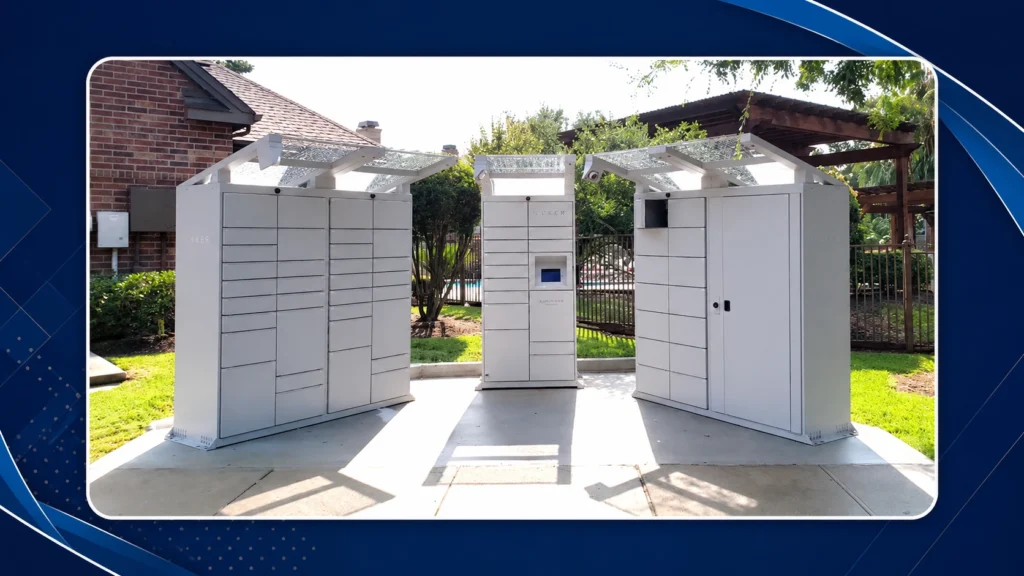
For properties where deliveries occur around the perimeter, near a parking lot, or at a building entrance that isn’t staffed around the clock, outdoor locker systems are designed to withstand exposure to the elements. These units are constructed with weather-resistant materials, sealed compartments, corrosion-resistant hardware, and UV-stable finishes that hold up reliably through New England winters and humid summers alike.
Because they sit outside, outdoor lockers give carriers a clear drop-off point without requiring building access. That’s a meaningful advantage for high-traffic properties that receive deliveries from multiple carriers throughout the day.
Outdoor systems work especially well for multifamily communities, corporate campuses, university housing, public libraries, and municipal facilities where 24/7 self-service access is a priority.
Indoor Parcel Lockers
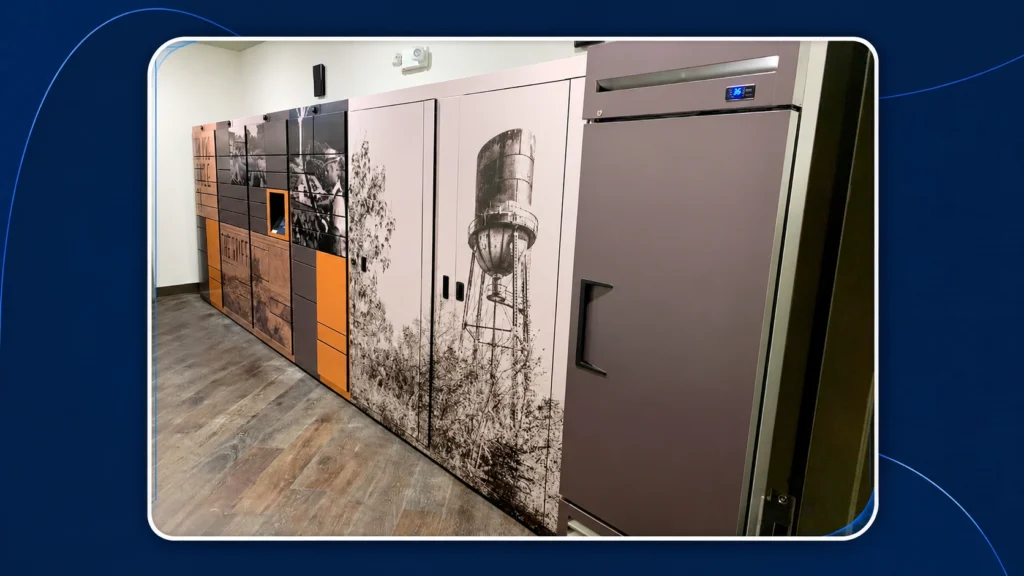
When space, aesthetics, and climate control matter, think luxury apartment lobbies, corporate office mailrooms, or student housing common areas, indoor locker systems offer a polished, purpose-built solution. These units are designed to fit within the space’s visual language: clean finishes, slim profiles, quiet doors, and integrated lighting that doesn’t feel out of place next to high-end interior design.
Indoor systems also tend to include features geared toward higher delivery volumes, such as multi-package pickup (so residents can retrieve everything in one trip), overflow management that reroutes deliveries when a compartment fills, and mobile app access for a fully contactless experience.
For buildings that value both function and first impressions, indoor lockers offer a way to modernize package management without compromising on appearance.
Why Property Managers Are Making the Switch
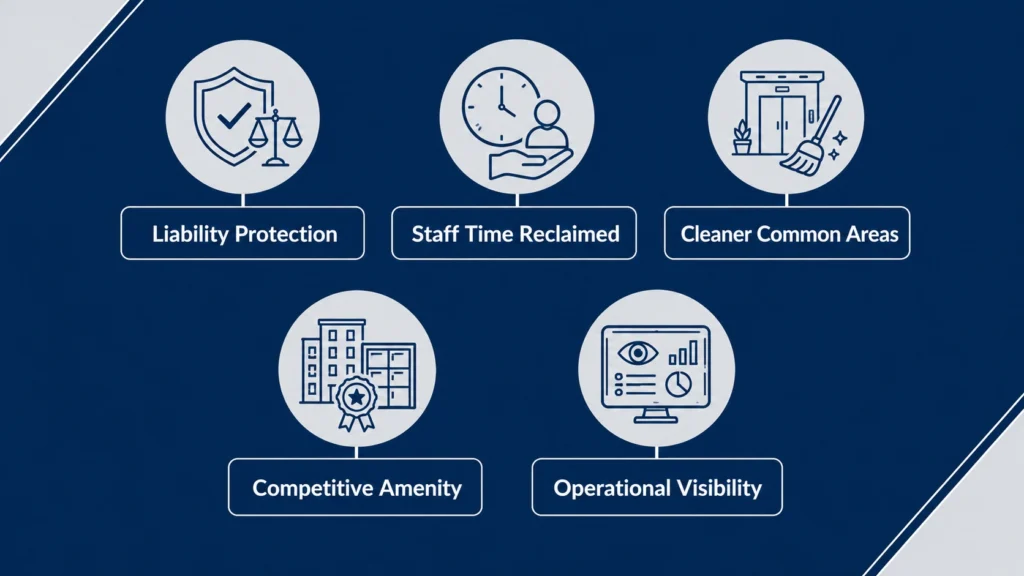
Parcel lockers aren’t just a resident amenity; they’re an operational upgrade. For many teams evaluating “what is a parcel locker,” the biggest realization is that these systems reduce operational strain while improving the resident experience.
- Liability protection: When packages disappear or get damaged under manual handling, the property is often the one that takes the blame. Locker systems create a clear digital chain of custody, time-stamped, photo-verified, and logged, that removes ambiguity and protects management from disputed claims.
- Staff time reclaimed: In buildings where front-desk or maintenance staff spend hours each week sorting, storing, and distributing packages, a locker system returns that time. Those hours are better spent on tasks that actually require a person.
- Cleaner common areas: Package clutter in lobbies sends the wrong message about a property’s quality and management. Lockers keep deliveries contained, organized, and out of the walkways.
- Competitive amenity: Prospective residents and tenants increasingly evaluate properties on the quality of their amenities. A smart locker system is a tangible, modern feature that signals the property is well-managed and forward-thinking, which supports both leasing and retention.
- Operational visibility: Cloud dashboards give property managers data they’ve never had before, peak delivery windows, compartment utilization rates, and pickup turnaround times that can inform staffing, capacity planning, and future infrastructure decisions.
6 Things to Consider Before You Choose a System
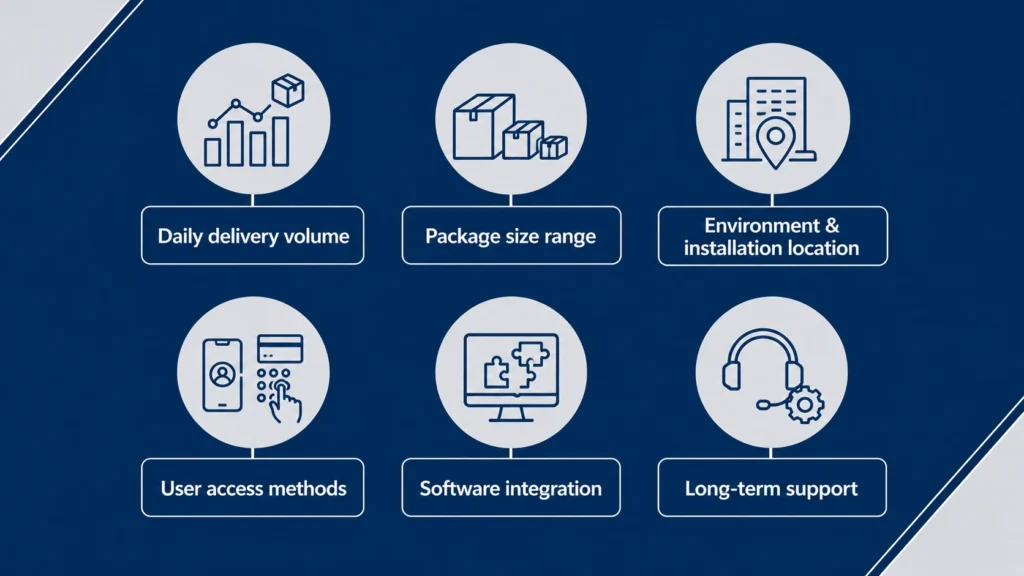
Parcel locker systems aren’t one-size-fits-all, and taking a few key factors into account before committing to a solution can save a lot of headaches down the road.
- Daily delivery volume: A building receiving 20 packages a day has very different capacity needs than one receiving 200. Understanding your typical volume and how it spikes during peak seasons helps determine how many compartments you’ll need and what size mix makes sense.
- Package size range: Standard lockers handle typical e-commerce boxes, but if your residents frequently receive oversized deliveries like bicycles, appliances, or large retail orders, you’ll want to make sure the system includes appropriately sized compartments.
- Environment & installation location: Outdoor installations need durability ratings suited to your local climate. Indoor installations need to fit within your available footprint and complement the space aesthetically.
- User access methods: Different user populations have varying preferences and comfort levels with technology. Corporate buildings might favor mobile app access; senior housing communities might prefer simple keypad codes. The best systems offer multiple access methods so no one is left out.
- Software integration: If your building already uses a property management platform or a resident communication app, look for a locker system whose cloud software plays nicely with your existing tools.
- Long-term support: A locker system is a long-term investment. Understanding what ongoing maintenance looks like, how software updates are handled, and what the vendor’s support process is will matter as much as the initial specs.
How Granite State Specialties Helps
Granite State Specialties (GSS) has been supplying specialty construction products throughout New England for years, and parcel lockers have become one of the most in-demand items the team works with.
GSS partners with leading manufacturers, including Luxer One Lockers, to bring property managers access to proven, high-quality locker systems with the full-service support of a regional team that understands the market.
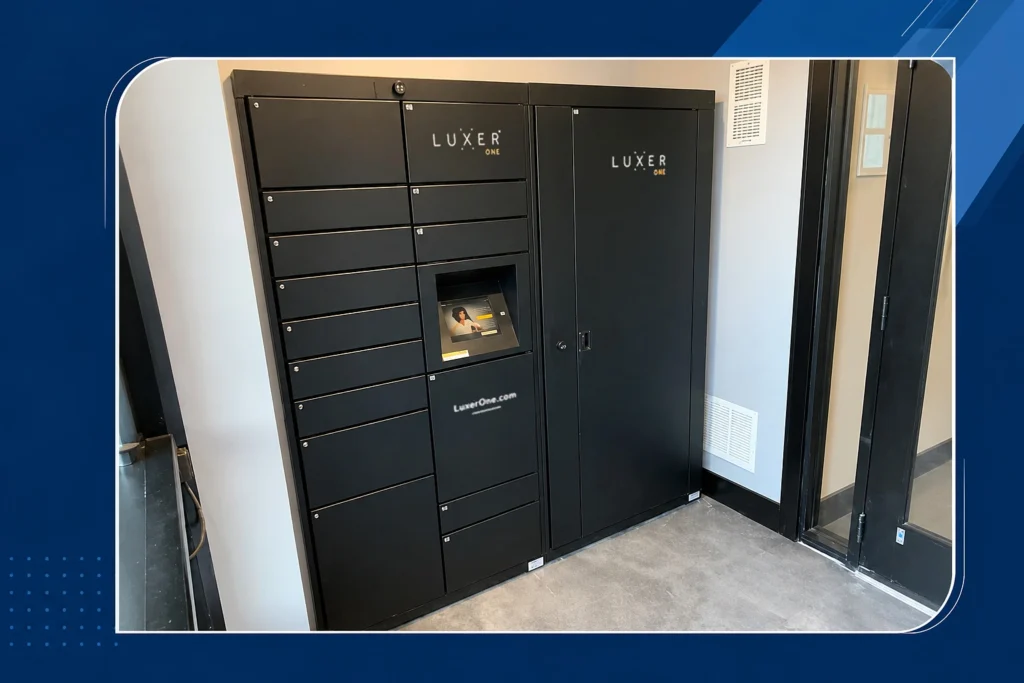
Whether a property is researching “what is a parcel locker” for the first time or upgrading existing smart package lockers, GSS Postal Specialties provides guidance from planning through installation.
Choose a Modern Parcel Locker System with GSS Postal Specialties
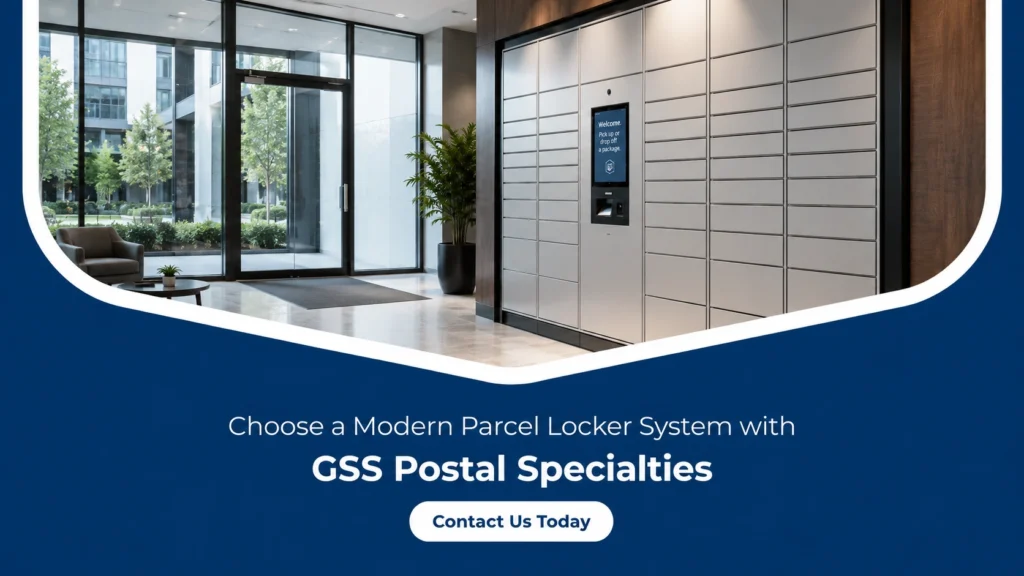
Parcel lockers have become an integral part of modern building operations, offering security, convenience, and a smoother flow of daily deliveries. GSS provides advanced indoor and outdoor smart locker solutions to help properties stay organized, reduce liability, and meet rising expectations for self-service amenities.
A conversation with a GSS specialist can help you determine the right locker configuration for your building. Each system combines smart technology, durable construction, and intuitive design to support both operational efficiency and user satisfaction.
Bring clarity, security, and ease to your package management process. Request a consultation with GSS today.
Below is an FAQ section you can place near the bottom of the blog, after the main CTA or before it. It answers the exact search-style questions in a cleaner format while staying aligned with the blog topic.
Frequently Asked Questions
1. What is a USPS parcel locker?
A USPS parcel locker is a secure storage compartment used for package delivery when an item does not fit inside a standard mailbox. In apartment buildings, commercial mailrooms, and some community mailbox systems, USPS places the package inside the locker and leaves the recipient a code, barcode, or locker key so they can retrieve it.
2. What is a parcel locker, and how does it work with USPS?
A parcel locker gives USPS and other carriers a secure place to leave packages until the recipient picks them up. The carrier places the package in an available locker compartment, locks the door, and sends or leaves access instructions for the recipient. The recipient then uses a code, QR code, app, or locker key to open the correct compartment and collect the package.
3. Where is a parcel locker located?
Parcel lockers are commonly found in apartment mailrooms, building lobbies, university housing, office buildings, retail pickup areas, community mailbox stations, and outdoor delivery zones. The location depends on the property layout and the type of locker system installed.
4. How do I find a parcel locker near me?
The best way to find a parcel locker near you is to check your delivery notification, carrier tracking page, apartment portal, or property management instructions. For Amazon deliveries, the tracking page will show the assigned Amazon Locker location if one was selected. For USPS or property-based lockers, the locker is usually located near the mailroom, lobby, leasing office, or community mailbox area.
5. What is an Amazon parcel locker?
An Amazon parcel locker, often called an Amazon Locker, is a self-service pickup station where Amazon packages are delivered for later pickup. Shoppers select the locker location at checkout, receive a pickup code when the package arrives, and use that code to open the assigned locker compartment.
6. What is a parcel locker in an apartment?
A parcel locker in an apartment is a secure package storage system used by residents, carriers, and property staff. Instead of leaving packages at the front desk, outside unit doors, or in crowded mailrooms, carriers place deliveries inside locked compartments. Residents receive a notification and retrieve their package when convenient.
7. Parcel locker vs mailbox: What is the difference?
A mailbox is mainly used for letters, envelopes, and small mail items. A parcel locker is used for packages that are too large for a standard mailbox. Mailboxes are usually assigned to one recipient or unit, while parcel lockers are shared compartments that open only for the person receiving a specific package.
8. What is a parcel locker code?
A parcel locker code is a temporary access code used to open the locker compartment holding a specific package. The code is usually sent by text, email, app notification, or carrier notice. Once the package is picked up, the code usually expires, and the locker becomes available for another delivery.